


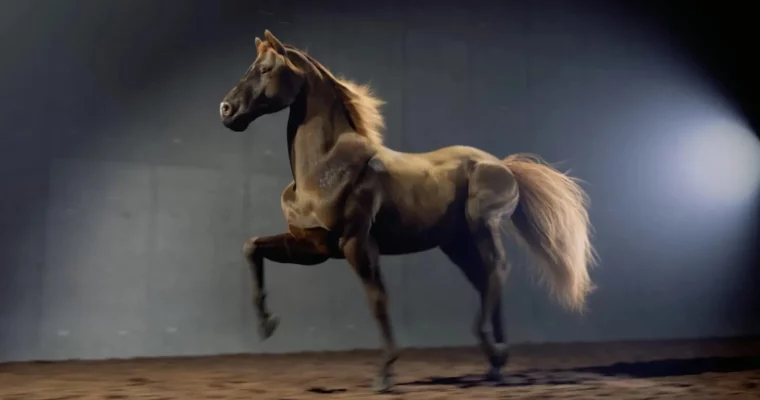
Creature Rigging in Houdini by Bodgan Lazar

Duration:8 weeks
Actual Duration:16h 47m
Release date:2025, July
Publisher:Rebelway
Skill level:Intermediate
Language:English
Exercise files:Yes
Software:Houdini 21, Unreal, Maya
Course URL:https://www.rebelway.net/creature-rigging-in-houdini
This course teaches you how to build a fully procedural quadruped rig in Houdini 21, starting from real horse anatomy and ending with a production-ready system you can drop into Unreal or Maya. No muscle simulations needed — you’ll use rig logic and KineFX to drive deformation.
🎯 What you’ll learn
- Build anatomically-accurate quadruped skeletons using procedural workflows
- Create a pseudo-muscle system with joint behavior and VEX scripting
- Implement procedural skin binding with curve-based capture methods
- Master APEX architecture for modular, reusable rig components
- Stress-test your rig with a run cycle and validate against real reference
✅ Requirements
- Skills: Intermediate knowledge of Houdini, basic understanding of 3D space and rigging concepts
- Tools: 3-button mouse
- Hardware: Minimum 16GB RAM, dedicated GPU
📝 Description
This isn’t your typical rigging course. Instead of relying on heavy simulations, you’ll learn how to build a procedural quadruped rig using Houdini’s KineFX and APEX tools. The focus is on real-world anatomy — you’ll study horse bone structure to create joints that actually match how a quadruped moves.
The workflow is modular. You’ll start with a procedural skeleton driven by VEX and VOPs, then layer on a pseudo-muscle system that mimics muscle behavior without the overhead of a simulation. Skin binding is handled with curve-based capture methods, giving you clean deformation that holds up under animation.
By week 4, you’re diving into APEX, Houdini 21’s new rigging architecture. You’ll build custom components like reverse foot setups and multi-bone blends, then assemble everything into a complete rig. The final weeks focus on validation — you’ll create a run cycle using the APEX Animation node and compare it against real horse reference to ensure accuracy.
The course is designed for artists who want to move beyond manual rigging and embrace procedural, reusable workflows. You’ll finish with a rig that’s ready for production pipelines in Unreal or Maya.
🧑🎓 Who this course is for
- Houdini artists looking to specialize in character and creature rigging
- Technical artists who want to build modular, procedural rigs for production
- Riggers transitioning from Maya or other DCCs who want to leverage Houdini’s procedural power
🧑🏫 About the Author
Bodgan Lazar is a CFX Supervisor with over 10 years of experience in the VFX industry. He’s a versatile Houdini artist specializing in procedural modeling, character rigging, cloth and muscle systems. His background spans both film and game pipelines, giving him a practical, production-focused approach to teaching.
🏁 Final Result
- A fully procedural quadruped rig with anatomically-accurate skeleton and pseudo-muscle system
- A validated run cycle animation tested against real horse reference
- A modular rig setup ready for integration into Unreal or Maya production pipelines
 Channel





Hello: Could you please upload HOUDINI FUNDAMENTALS FROM REBELWAY